With the addition of the aerospace engineering program at KSU, an alumnus sheds light on their experience in the industry post-graduation.
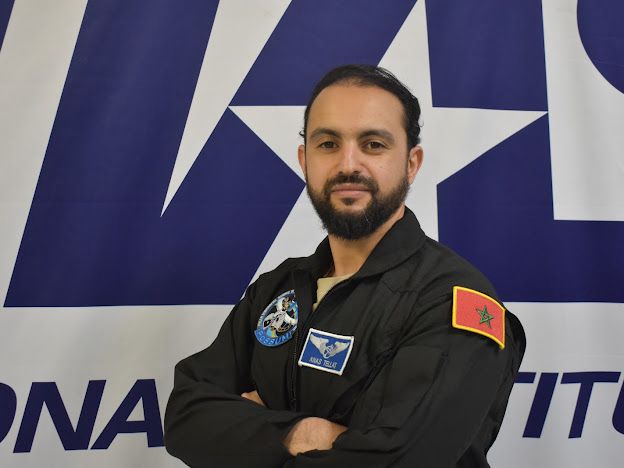
Anas Tellat, a KSU alumnus, graduated with a Bachelor of Science in Mechanical Engineering, which gave him a strong foundational knowledge that allowed him to pursue a career in aerospace. Now leading a career in aerospace engineering, he paves the way for future KSU aerospace engineering students.
“It teaches you how things work at a fundamental level, which is essential in aerospace,” says Tellat.
Tellat started his career at Chromalloy as a manufacturing and repair engineer, which included working on turbine engines. He also pursued advanced education in airworthiness engineering, a start to “understanding how certification, compliance, and engineering decisions translate to real operational risk and safety.”
Currently, Tellat works as an engineer in the Boeing 787 program. His career has included roles in manufacturing engineering, structural analysis, and turbine engine repairs.
He described his role as having given him “broad exposure to how aircraft are designed, built, and maintained.” The Boeing 787 Dreamliner is widely considered to be the one of the world’s most advanced commercial aircraft.
The Exploration Atmosphere 7 mission at NASA Johnson Space Center is a human spaceflight analog mission aimed at studying human performance and physiology. It supports research connected to NASA’s Artemis program.
Tellat was selected to participate in the analog mission, which involved extended operations inside an altitude chamber to study human performance, physiology, pre-breathe protocols, and pressure transitions relevant to future lunar and deep-space missions.
“Human spaceflight is extremely complex, especially during extravehicular activities, where astronauts transition between different pressure environments,” Tellat said.
“Understanding how the human body responds to those conditions is critical for safety and mission success. I was proud to be part of this mission and to work alongside a highly skilled and dedicated team. Contributing to research that supports future human space missions is something I value deeply,” he said.
For engineering students interested in aerospace or spaceflight, Tellat left them with a crucial piece of advice:
“Build a strong technical foundation, stay disciplined, and think long-term. Engineering opens doors in many directions. You will need to make hard decisions and take risks that will trace your path in life. Just remember that you are the author of your story.”