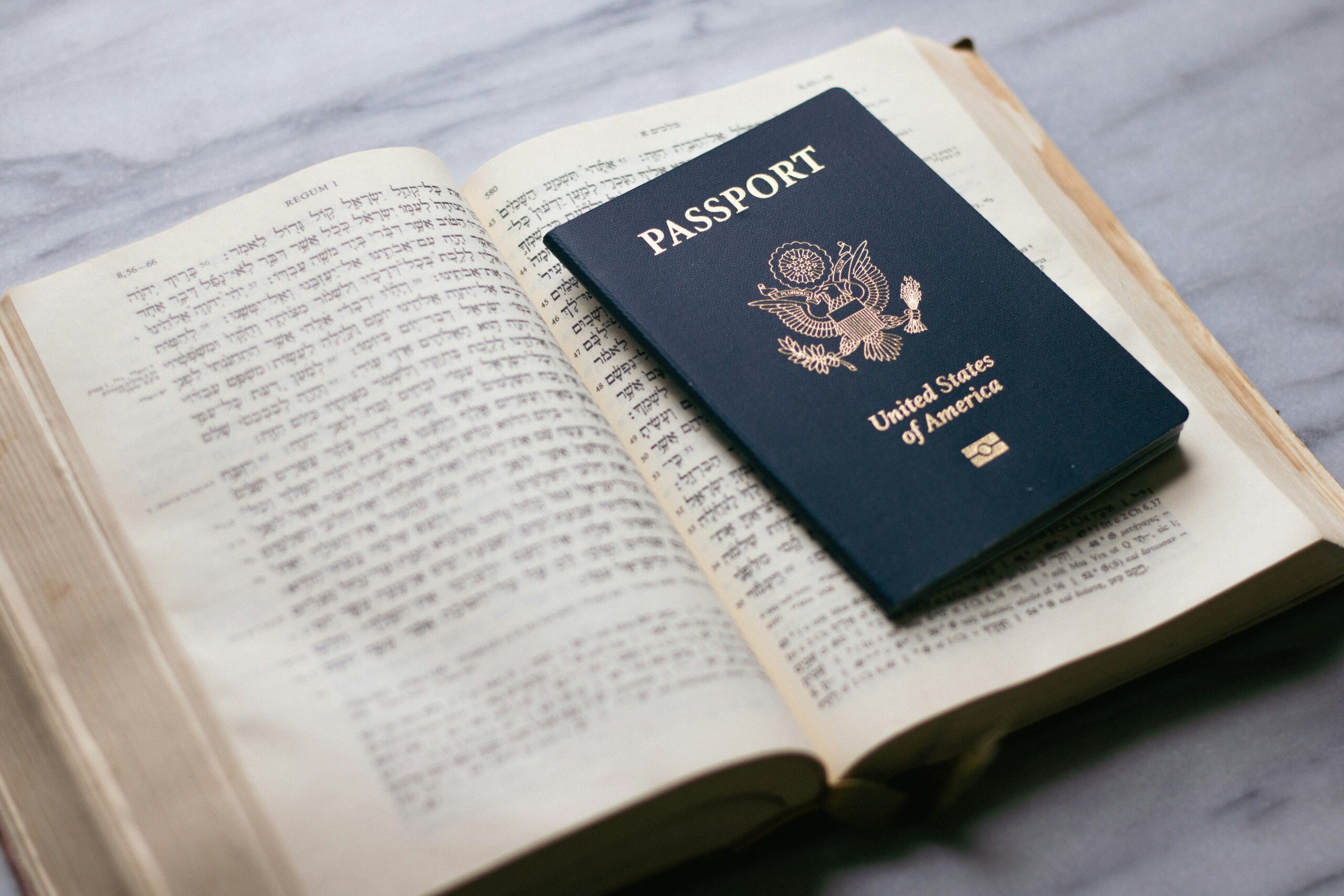
On June 9th, a harmful travel ban created by the Trump Administration went into effect.
Shortly after Inauguration Day this year, the Trump Administration established a new wave of limitations for non-citizens in the United States.
From attacks on international students to mass deportations and ICE raids, immigrants in the U.S. face new challenges in 2025. This has led to international relationships between the U.S. and other countries deteriorating in a way that may take decades to fix.
Now, a new travel ban has been placed on 12 countries, and 7 countries face new partial restrictions. Most of the countries are either predominately Muslim, African or both, which is similar to the travel ban instituted in 2017 during President Trump’s first Administration.
On June 9th, the travel ban went into effect on Afghanistan, Myanmar, Chad, Republic of the Congo, Equatorial Guinea, Eritrea, Haiti, Iran, Libya, Somalia, Sudan and Yemen. On the same day, partial restrictions were placed on Burundi, Cuba, Laos, Sierra Leone, Togo, Turkmenistan and Venezuela.
One of the main claims the Trump administration has used to justify these bans relates to high overstay rates on B-1 and B-2 visas from these countries, which cover business travel and tourism respectively.
However, with the overstay rate for people from most of these countries actually be relatively low according to the American Immigration Council, it becomes clear that the travel ban is politically motivated and not in the interest of American safety.
Starting with the overstay rates, the rating is a percentage of how many B-1 or B-2 visa holders stay in the US after the visa expires per country in the course of a year.
Only two of the countries above have an overstay rate above 50%, and neither reaches 60%. Many of the other countries have an overstay rate below 50%.
On top of that, the overstay rate does not actual indicate that a large number of people from these countries are in the United States illegally.
For example, according to the Entry / Exit Overstay Report for the fiscal year 2023 published by the Department of Homeland Security, the overstay rate for Germany was 0.35% and the rate for Afghanistan was 9.70%. However, the total overstays for Germany was 5,984 while Afghanistan had 119 total overstays.
This demonstrates that a higher overstay rate does not mean a large population of overstays in that country. Thus, it is not logical to use the overstay rate as a reason for a travel ban if the goal is to lower the number of overstays.
The Trump administration has also cited terrorism concerns to justify the new travel restrictions.
For example, part of the reasoning on the ban on Iran is the claim that the country “fails to cooperate” with the United States in naming security risks.
However, considering the Trump Administration’s support of Israel, missile attacks between Israel and Iran and the United States’ recent strike on Iranian nuclear sites, the travel bans on Iran and other Middle Eastern countries may be more about the United States’ support of Israel rather than national security.
The travel bans and restrictions implemented by the Trump administration reflect a continuation of Trump’s first-term policies and will result in the same consequences: the decay of the United States’ international reputation.