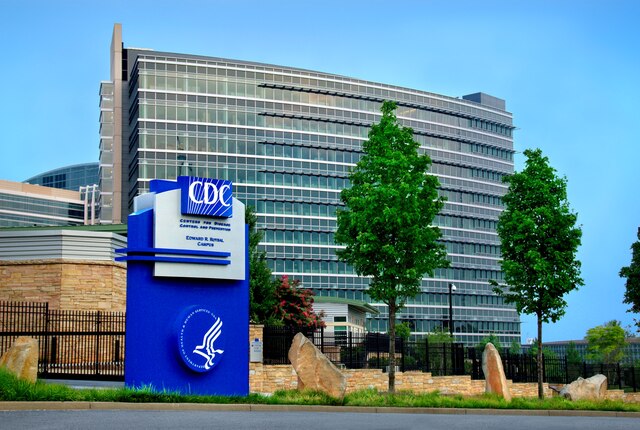
CDC Atlanta Campus. Photo Credit: James Gathany, Centers for Disease Control and Prevention
On Friday, Aug. 8th, 2025, a shooting occurred just outside the Centers for Disease Control and Prevention headquarters in Atlanta, near the Emory University campus. Two fatalities included 33-year-old DeKalb County officer David Rose and Patrick White, age 30, the suspected shooter.
The assailant fatally shot Officer David Rose while he was responding to the scene, and the shooter died of a self-inflicted gunshot wound on the second floor of a CVS after exchanging fire with police.
The shooting shook CDC employees, who described the experience as terrifying and traumatic. Following the attack, officials advised most of the CDC staff to work from home as a security precaution.
The agency announced employees should return to in-person work by Sep. 15th, about five weeks after the incident. Meanwhile, they implemented alternative workspace arrangements for areas still affected by the gunfire damage.
Despite the planned return, many employees expressed anxiety and fear about returning to the office, questioning whether security improvements were sufficient. Some highlighted visible bullet holes are still present in the windows, contributing to ongoing unease.
The company provided employees with support services, including counseling, to manage the psychological impact of the incident.
Meanwhile, the investigators uncovered written documents that detailed White’s dissatisfaction and resentment towards the COVID-19 vaccine.
White blamed the COVID-19 vaccine for causing him mental health problems, including depression and suicidal thoughts. This motivation aligns with the increased vaccine-related misinformation that’s fueled hostility toward public health institutions in recent years.
The attack highlights the dangers of both an increase in the spread of vaccine misinformation and lax gun regulations. How much longer will the government let innocent people die to “uphold Second Amendment rights?” The CDC shooting in Atlanta exposes the deadly overlap of easy gun access and deep societal grievances.
Misinformation about the COVID-19 vaccine significantly influenced the shooter’s anger and radicalization. Furthermore, the shooter’s previous distress and suicidal thoughts went unaddressed, worsening the situation due to failures in mental health support.
Government and health agencies also share responsibility for poor communication and security, which leads to increased distrust and vulnerability. Government officials who politicized vaccines and amplified false narratives share blame for creating a hostile environment.
With a lack of empathy and numerous societal divisions, fear and misinformation could spread and grow unchecked. The shooter’s access to many firearms, taken from a family safe despite being secured, underscores the deadly consequences of lenient gun storage laws.
Easily accessible weapons, even when supposedly locked away, enabled this attack to be extensive and devastating.
This emphasizes the crucial need for better gun laws, safe storage, mental health care and fighting misinformation together for violence prevention. The tragedy necessitates a broad systemic response to protect public health and safety.