Mickey 17’s early digital release date is just the tip of the iceberg of the problems with the current film industry model.
When news came out that Mickey 17 was going to be originally released digitally a mere weeks after its theatrical release, it was met with a variety of reactions—the majority of which were negative.
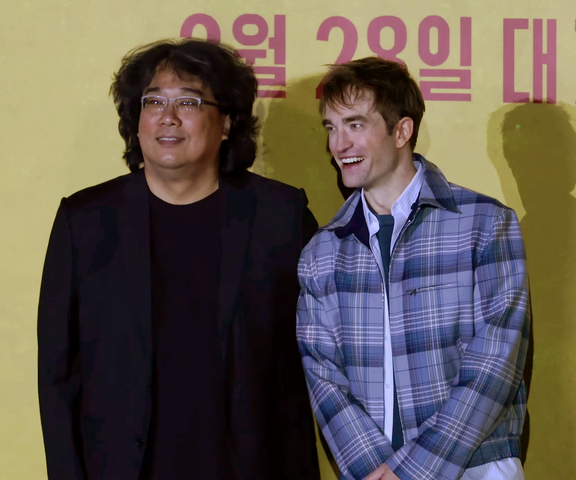
People who had seen Oscar-winning director Bong Joon Ho’s latest project starring Robert Patterson were confused as to why Warner Brothers would push the film aside so quickly after such a short amount of time—especially when the film had not been completely released internationally.
Others were confused simply because they had no idea the film even existed, nevertheless already out in theaters, which many view to be a consequence of Warner Brother’s poor marketing of the film.
Lastly, many saw this part of the ever-growing issue of the closing gap between theatrical and digital releases for films, citing this as part of a compounding problem with theaters struggling to keep themselves financially afloat.
The mounting problem of entertainment companies putting profits over the films and the filmmaking experience has negatively manifested into a general loss of the movie going experience, as well as the enjoyment of film in general.
Film corporations refuse to put investment in anything that they fear won’t earn great profits, which has led to a stark decline in taking risks when it comes to producing new projects.
Despite audiences’ adamant requests for something original on their screens, companies dismiss them because the call of the easy dollar is much louder, thus pushing studios into choosing to stick with what works and is familiar.
Consequently, the entertainment landscape has seen a new rise in the reboots of old television shows, remakes of material that’s barely a couple of decades old and unneeded movie sequels—it’s all become an endless, bland and banal scope so grand that one would actively have to dedicate great amounts of energy into finding something new and interesting to watch.
The problem becomes even worse when considering whose stories get to be told.
It is unfortunately no surprise that a multitude of the films that have been shelved, ignored or downright erased have been films from marginalized backgrounds—particularly films made and or led by black writers and artists.
As a result, representation of young black girls and women has been on a noticeable decline, with X (Twitter) user @jasimisinclair creating an ongoing thread taking note of the new young adult film and television projects announced that did not have any black girls as part of the main cast. Writer Ayan Artan cited the thread to bring more eyes to the issue in her Teen Vogue article “Where Are the Black Girls in New YA Shows & Movies?”
Actress Anika Noni Rose, known for voicing Princess Tiana in the 2009 film The Princess and the Frog, spoke out about her disappointment when plans to make an animated series about Tiana were shelved by Disney. Additionally, Disney reduced trans elements of a character’s arc in the Pixar animated series Win or Lose, further demonstrating not just a lack of interest in originality, but declining willingness to put marginalized stories in the spotlight.
There is more than enough room within the industry for any and every kind of story that people want to share, including those spotlighting minority groups. People’s stories deserve to be created and have the chance to be shared with audiences, even if they financially or commercially fail. Placing profits over the people goes against what the very purpose of art is and why it exists in the first place.